
The Winter Solstice
Find your island of peace

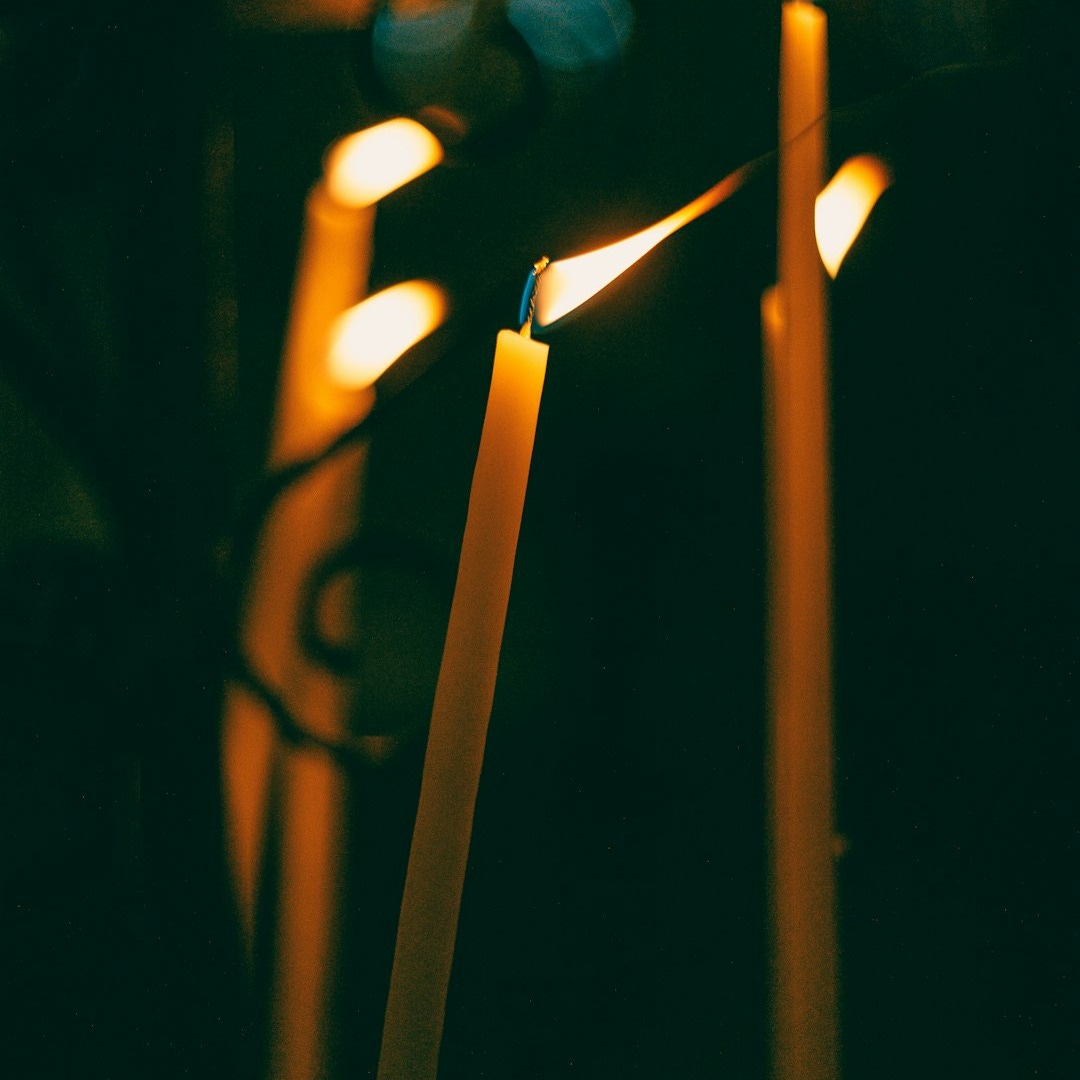
This season, finding islands of peace feels lifesaving. In the nights leading up to the Winter Solstice on December 21st, I will turn off screens, limit distractions, and sit quietly in the dark with a few candles flickering.
It’s difficult to step on the brakes during a busy season, yet slowing down is exactly what I need; I suspect many of us do. I’ll take a healing pause from the nonstop activity of promoting Disconnected: Portrait of a Neurodiverse Marriage and launching “Writing the Real World” to simply sit still.
The business of writing in 2025 is a constant hustle – a push to “monetize” my work – and it’s easy to lose touch with the thrill of creation. What really keeps me hovering over my keyboard is not money, though. It’s connecting to readers. I want to remember the primal sacred nature of the season and look to nature for guidance, especially as the world continues to spiral in chaos. I want to remind us of the need to honor the dark as we turn toward the light.
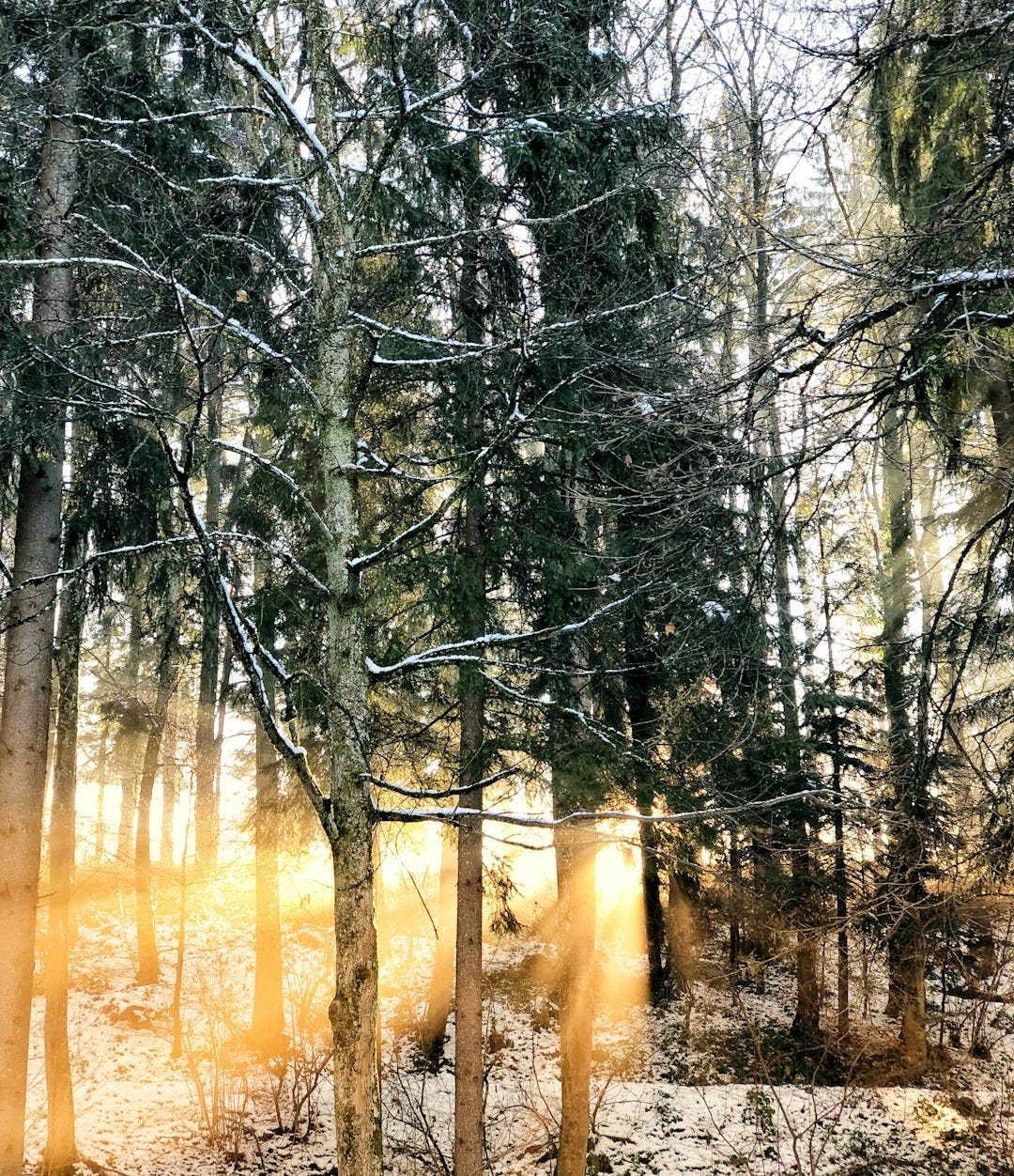
Humans love to celebrate the return of the light in many forms. We often fear the dark. Yet it’s the dark that makes the slow lengthening of the days so welcome and so sacred, and why I’m intent on honoring it.
Solstice, or “sun standing still,” is a turning point from the shortest night to the gradual return of more light. This is a turn we humans have celebrated for millennia; yet our culture is more intent on burnishing our shopping prowess than honoring the darkest night of the year, let alone acknowledging our deep need for stillness.
Ancient wisdom traditions used the Winter Solstice as a time to release the old and turn toward what is “dawning” in our lives. This turning point coincides with both Hanukkah and Christmas, closely followed by Kwanzaa. It’s no accident that the most sacred celebrations occur at the moment our sun appears to stand still in the sky.
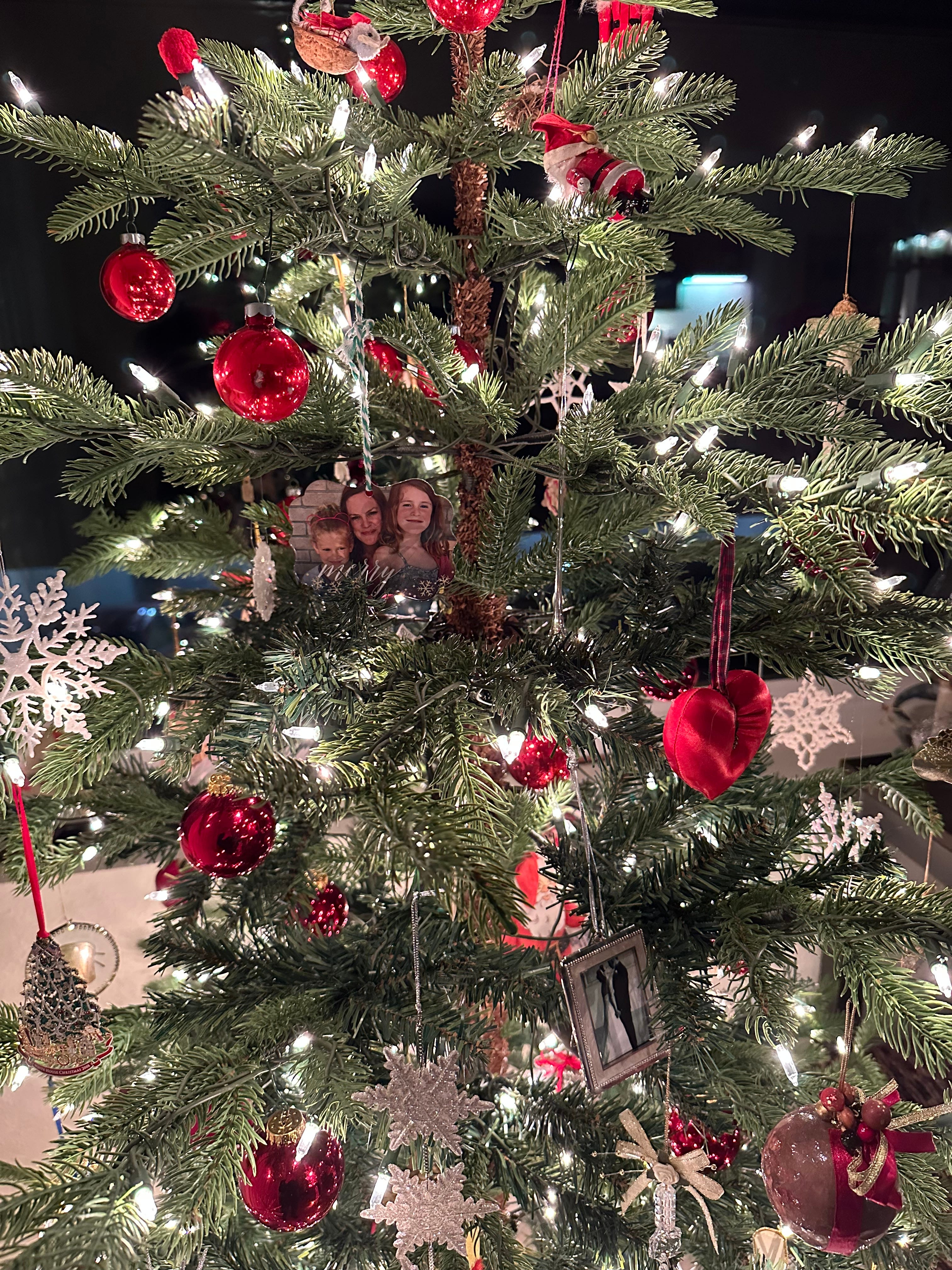
Finding the Goldilocks combination of stillness and activity during the weeks leading up to the holidays is challenging. I try to reinforce my natural rhythms with rituals, beautiful music, my old-school tree decorations, and candlelight.
Supporting me in this effort is one of the wise women I follow, Buddhist meditation teacher Tara Brach. One of her dharma talks, “The Honesty Challenge: Getting More Truthful with Ourselves and our World,” pushes my buttons in a good way. Her fundamental point is that the small lies we tell to facilitate social interactions can deaden our relationships and hold us back. The courage to be more honest is a prerequisite to growth.
“What is true here?” That’s the question I ask myself again and again. How often do I shade the truth, jump to conclusions based on scanty evidence, or unwittingly deceive myself? Being ruthlessly honest, my answer is “Frequently.”
Brach, a psychologist, and the author of Radical Compassion, has honed her inquiry skills to a fine art. She teaches a practice called RAIN, where R stands for “recognize,” A stands for “allow,” I is for “investigate,” and N is for “nurture.” She uses stories of her clients’ or her own experiences to show how to put this into practice.
I’ve spent the last two years healing from a contentious divorce, and at the same time, revising and launching my book. Disconnected is about the evolution of love that flamed out because our opposing brain wiring (mine allistic, his autistic) led to communication breakdowns, unresolvable conflict, and inflicting unintentional hurt. We didn’t discover the root cause until it was too late.
Hindsight is 20-20, of course. Now I can see all the ways I deceived myself, or minimized signs I should not have overlooked. I’ve needed my own brand of radical compassion, and radical honesty to process the demise of my marriage. RAIN has been a lifeline.
So, when Tara Brach challenges me to ask, “What’s true here?” my natural response is, “I’ll get back to you on that.”
It’s going to take me a minute to figure out my role in the demise of my marriage, let alone the effects of introducing a book about it to the world. Following her advice, I practice RAIN with a special emphasis on nurture. Whenever I can, I swaddle myself in a cozy blanket, breathe deeply, and listen to calming music.
You may love the holidays. You may dread them. Or some combination. Over time, I’ve found more ways to love them, but I am still easily overwhelmed and overstimulated. Initiating new intentions and goals – much like the apparent pause before the return of the light – requires stillness, something I struggle with especially in December. Thus, my focus on nurturing activities in a safe, quiet environment. Fewer parties, more self-care.
I’m fascinated by the different approaches people take to celebrating this season. Or just surviving the hustle and bustle. How do you slow down and nourish yourself during December when shopping, baking, gift giving, and parties take center stage? Let me know in the comments.
Wishing you equanimity as the light begins its slow return. May you find your own island of peace, a still point in the midst of activity, and share it with others.